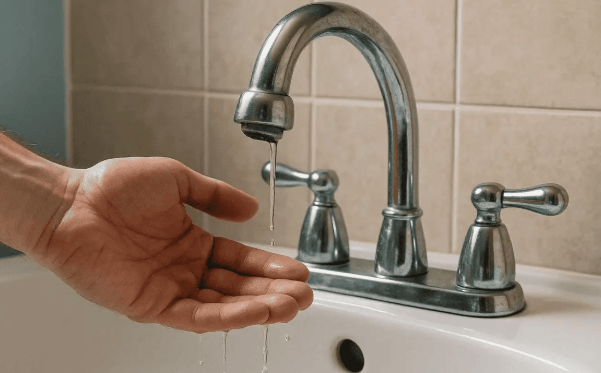
Low water pressure often stems from simple, verifiable causes. Start with valves, aerators, and showerheads to rule out partial closure or mineral buildup. If flow varies by location, measure at multiple fixtures and check the pressure regulator. Look for leaks or constricted piping and document observations. When DIY steps fail to restore consistent pressure, a structured evaluation by a professional may be required, guiding preventative measures for dependable performance ahead.
Identify the Most Common Causes of Low Water Pressure
Low water pressure can stem from a variety of causes, and diagnosing the issue requires a systematic approach. In technical terms, common factors include clogged aerators, sediment buildup, pipe constriction, and pressure regulator faults.
In residential contexts, low pressure neighborhoods and aging infrastructure exacerbate symptoms.
Addressing water pressure myths clarifies expectations and guides targeted investigations.
Quick DIY Fixes to Restore Water Flow Today
Quick DIY fixes can often restore water flow without professional intervention. Quick fixes include checking for closed valves, inspecting aerators and showerheads, and cleaning faucet screens to remove mineral buildup.
Pressure troubleshooting involves measuring flow at multiple fixtures, verifying regulator performance, and ensuring pipes are free of leaks. If flow remains limited, adopt staged tests and document results for next steps. Continuous monitoring advised.
Diagnose When to Call a Pro for Pressure Problems
When DIY checks fail to restore adequate pressure after basic adjustments, a structured decision point exists for escalating to professional assessment.
A methodical threshold identifies: sustained low pressure across fixtures, inconsistent flow, or rapidly dropping pressure. In these cases, call a pro for a professional diagnosis, equipment evaluation, and regulated restoration steps, with documentation and adherence to local codes. Proceed only after documented criteria.
Preventive Tips to Maintain Strong Water Pressure Long-Term
Proactive maintenance reduces the likelihood of sustained pressure decline by detailing routine steps that protect the distribution system and fixtures. Regular inspections identify ventilation issues early, ensuring proper venting and air release.
Schedule pipe corrosion assessments, applying protective coatings and initiating timely replacements.
Maintain clean filters and calibrated pressure regulators, preventing mineral buildup.
Document findings for long-term reliability and freedom in operation.
See also: How to Create and Sell NFTs
Conclusion
Conclusion:
In the grand laboratory of residential hydraulics, the investigator concludes that nothing beats a methodical checklist. Valves opened, screens cleaned, aerators demisted, and regulators calibrated—yes, the empirical path to modest flow restoration. If still teetering on the brink of tepid, one must document tests, quantify variance, and summon expertise. Until then, pretend your pipes are a budget spreadsheet: meticulous, tedious, and oddly satisfying as pressure inches upward toward a statistically significant improvement.