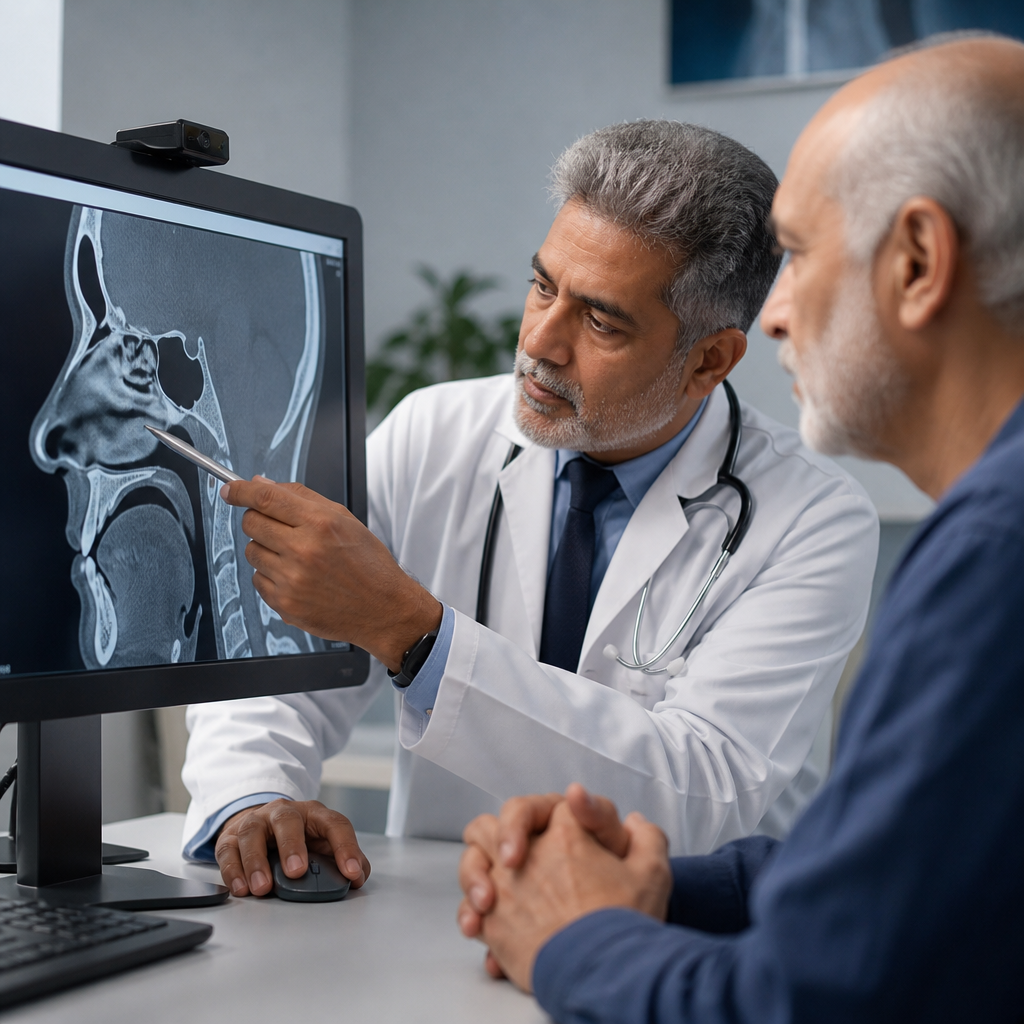
Cancer patients undergoing chemotherapy and radiation often face unexpected complications that extend beyond tumor management. Among these, nasal and sinus problems emerge as a significant yet frequently overlooked challenge that can compromise treatment efficacy, delay therapy schedules, and diminish quality of life during an already difficult period. Understanding the connection between upper respiratory health and cancer care reveals why multidisciplinary approaches have become essential in modern oncology.
The Hidden Link Between Cancer Treatment and Nasal Function
Chemotherapy drugs that target rapidly dividing cancer cells also affect the mucous membranes lining the nose and sinuses. These tissues normally regenerate every few days, making them particularly vulnerable to systemic treatments. Patients frequently develop severe dryness, crusting, and inflammation that interferes with breathing, sleep, and basic comfort. When combined with the immunosuppression that accompanies most cancer therapies, these compromised nasal passages become entry points for opportunistic infections.
Radiation therapy directed at head and neck cancers presents even more direct challenges. The tissue damage from radiation can permanently alter sinus drainage patterns, destroy smell receptors, and cause chronic inflammation that persists long after treatment concludes. Some patients develop radiation-induced sinusitis that requires specialized intervention to manage. The structural changes can be profound enough to require surgical correction in severe cases.
When Sinus Infections Derail Cancer Care
A straightforward sinus infection in a healthy person becomes a medical emergency in a neutropenic cancer patient with dangerously low white blood cell counts. Fungal sinusitis, rare in the general population, occurs with alarming frequency in immunocompromised individuals. These infections can spread rapidly to surrounding structures including the eyes and brain if not addressed immediately with aggressive antifungal therapy.
Treatment delays caused by infections create cascading problems. Oncologists must postpone chemotherapy cycles until infections clear and blood counts recover. Each delay potentially allows cancer cells additional time to proliferate or develop treatment resistance. Research indicates that maintaining treatment schedules correlates strongly with improved outcomes in many cancer types, making infection prevention a critical component of comprehensive care.
Hormonal Influences on Tissue Healing
The body’s repair mechanisms depend on complex hormonal signals that coordinate inflammation, tissue regeneration, and immune response. Cancer treatments disrupt these pathways, often triggering what clinicians describe as accelerated aging at the cellular level. Growth factors and peptides play crucial roles in maintaining tissue integrity throughout treatment. Some research explores whether compounds that support natural growth hormone release might help preserve mucosal health during chemotherapy, though clinical applications remain investigational.
The interplay between systemic treatment effects and local tissue damage creates unique challenges. Patients receiving targeted therapies or immunotherapies may experience different patterns of nasal symptoms compared to traditional chemotherapy recipients. Immunotherapy can trigger autoimmune-like inflammation in the sinuses, while some targeted agents cause unusual bleeding patterns in nasal tissues. Oncology teams increasingly recognize that managing these side effects requires expertise beyond standard cancer care.
Specialized Rhinology Care in Comprehensive Cancer Centers
Modern cancer institutes have responded to these challenges by integrating ear, nose, and throat specialists directly into multidisciplinary care teams. These rhinology experts assess patients before treatment begins, establishing baseline sinus health and identifying pre-existing structural issues that might complicate care. Early intervention prevents many problems from developing or minimizes their severity when they do occur.
For patients requiring surgical intervention to restore nasal function or clear persistent infections during cancer treatment, having access to specialized centers makes a measurable difference in outcomes. Facilities that coordinate closely between oncology and surgical services can time procedures to coincide with treatment breaks, use modified surgical techniques appropriate for immunocompromised patients, and provide seamless follow-up care. In the UAE, comprehensive programs like Rhinoplasty in Abu Dhabi at Cleveland Clinic Abu Dhabi’s specialized institutes work alongside oncology teams to address both functional breathing issues and reconstructive needs that arise during or after cancer treatment, ensuring patients receive coordinated care that accounts for their unique medical circumstances.
Regional Healthcare Considerations
Geographic disparities in specialty care access create additional challenges for cancer patients. Healthcare infrastructure varies significantly across different regions, with some areas lacking immediate access to subspecialists who can address complex treatment-related complications. Cancer patients in less densely populated areas may need to travel considerable distances for rhinology consultations, creating logistical burdens during an already demanding treatment period.
Telemedicine has emerged as a partial solution, allowing remote evaluation of some nasal and sinus symptoms. However, certain assessments require endoscopic examination and imaging that cannot be performed virtually. The most effective care models combine local oncology support with coordinated access to specialized surgical centers when intervention becomes necessary.
Practical Management Strategies
Prevention begins with aggressive nasal hygiene throughout cancer treatment. Saline irrigation systems flush debris and moisturize mucous membranes, reducing infection risk and improving comfort. Humidification of indoor air counteracts the drying effects of both treatment and climate-controlled environments. Patients should avoid nasal trauma, including vigorous nose-blowing, which can cause bleeding in fragile, treatment-affected tissues.
Surveillance protocols matter significantly. Regular examination of the nasal passages allows early detection of concerning changes before they escalate into complications requiring treatment delays. Any persistent symptoms including facial pain, vision changes, severe headaches, or drainage warrant immediate medical evaluation in immunocompromised patients. The threshold for imaging studies and specialist referral should remain appropriately low given the serious risks these populations face.
Long-Term Considerations After Treatment
Cancer survivors often discover that nasal and sinus problems persist or develop years after treatment concludes. Radiation fibrosis continues to evolve, potentially worsening stenosis and drainage issues over time. Chronic inflammation may require ongoing management with topical steroids or other medications. Some patients benefit from delayed reconstructive procedures once they have achieved stable remission and recovered immune function.
The psychological impact of breathing difficulties and facial changes deserves recognition in survivorship care planning. Nasal obstruction affects sleep quality, exercise tolerance, and social confidence. Addressing these functional impairments contributes meaningfully to overall quality of life after cancer. Comprehensive survivorship programs screen for these issues and connect patients with appropriate specialists who understand the unique context of treatment-related changes.
Building Integrated Care Pathways
The future of cancer care increasingly emphasizes anticipatory management of treatment complications through truly integrated teams. Rather than reacting to problems as they emerge, modern protocols embed rhinology assessment into standard oncology workflows. Pre-treatment evaluation identifies patients at elevated risk who might benefit from preventive interventions. Real-time collaboration during treatment allows rapid response when complications develop. Post-treatment surveillance ensures that late effects receive appropriate attention.
This integrated model requires institutional commitment to breaking down traditional departmental silos. Shared electronic health records, joint care conferences, and co-located clinical spaces facilitate the communication necessary for coordinated management. Patients benefit from reduced fragmentation, fewer appointments, and the confidence that their entire care team shares a unified understanding of their medical situation and treatment plan.