A prefab indoor sauna kit runs $2,500 to $6,000 for materials alone, a fully assembled outdoor barrel unit typically lands between $4,000 and $9,000 delivered, and a custom-built cabin sauna with electrical work and finish carpentry can reach $12,000 to $20,000 once labor is included. The gap between the cheapest and most expensive option usually comes down to three things: whether you assemble it yourself or hire a crew, whether the electrical circuit already exists near the install site, and whether you’re buying a panelized kit or paying a carpenter to build walls from raw cedar boards.
How much does a prefab sauna kit cost on its own?
Panelized indoor kits, the kind that ship flat-packed and bolt together over a weekend, generally start around $2,500 for a two-person unit and climb to $5,000 or $6,000 for a four to six person layout with a two-tier bench. That price usually covers the tongue-and-groove cedar or hemlock panels, the door, bench material, and hardware. Some kits bundle the heater and a bag of rocks into that number, while others sell the shell and heater as separate line items, so it’s worth reading the product description closely rather than comparing two headline prices that may not include the same components.
What does a fully assembled outdoor barrel sauna cost delivered?
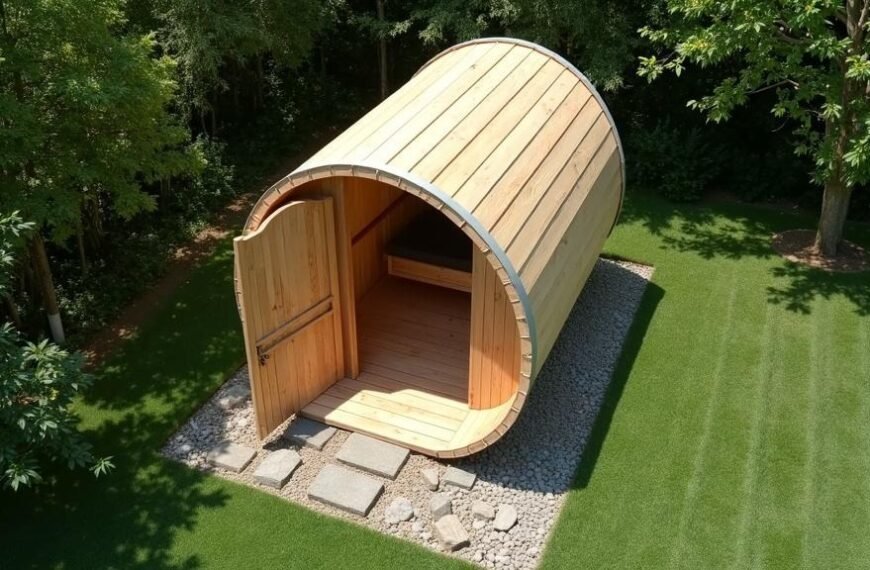
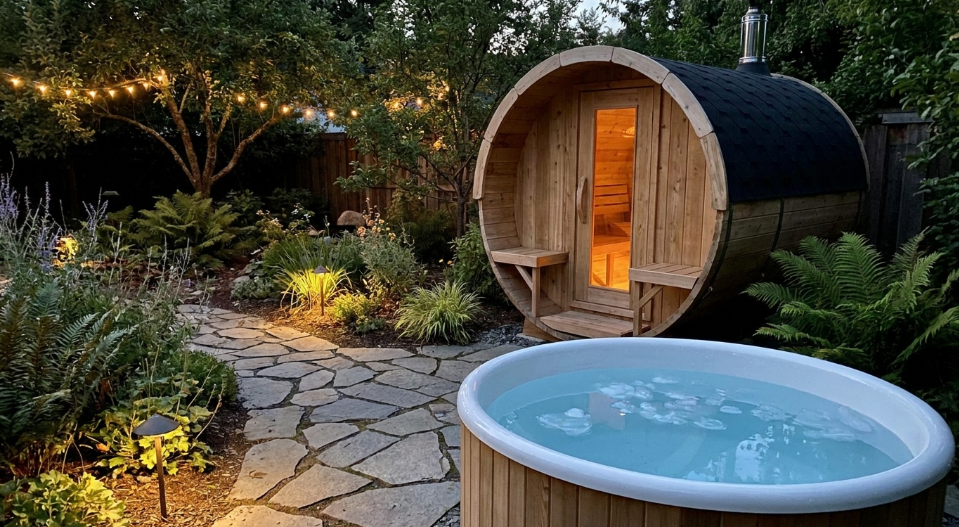
Barrel saunas trade a bit of interior space for a shape that sheds snow and rain well, and they typically ship mostly or fully assembled on a trailer bed. Expect $4,000 to $7,000 for a two to four person barrel with an electric heater, and up to $9,000 for larger units or wood-fired models with a chimney kit. Delivery and a basic gravel or paver pad usually add $300 to $1,000 depending on how far the truck has to travel and how much site prep the yard needs before the unit can sit level.
What does professional installation actually add to the price?
Installation labor for a prefab kit, meaning assembly plus running a dedicated electrical circuit, generally runs $1,000 to $3,000 on top of the unit price. That covers a licensed electrician pulling a 240-volt line to the heater, an install crew assembling panels and benches, and basic site work like leveling a pad or reinforcing a floor joist for the added weight. Comparing sticker prices side by side gets easier once a retailer lists heater wattage and install requirements next to the price. sweatdecks.com does this for several of its prefab and barrel models, which helps when you’re trying to work out whether a low listed price already includes the heater and hookup or not.
Where does a custom-built cabin sauna cost more, and why?
Custom builds skip the panelized kit entirely in favor of framing, insulating, and paneling a room from scratch, often as part of a larger basement or outbuilding project. Material costs alone for solid cedar paneling can run $8 to $15 per square foot before labor, and a carpenter’s time for a custom bench layout, vapor barrier, and trim work adds several thousand dollars more. The upside is a room built to the exact dimensions and layout you want rather than a fixed kit size, which matters if your space has an odd footprint or a low ceiling that off-the-shelf kits don’t handle well. Permit fees are worth budgeting for too, since most jurisdictions charge $50 to $300 for the electrical permit tied to the new circuit, and some require a separate inspection fee on top of that before the breaker can be energized.
Does financing change how the total cost compares?
Some sauna retailers and installers offer payment plans that spread the unit and install cost over 12 to 36 months, which can make a $9,000 custom build feel more manageable month to month than a single lump sum. It’s worth running the math on total interest paid against simply saving up for a few extra months, since a 0 percent introductory plan is a genuinely good deal while a plan with a double-digit interest rate can add hundreds of dollars to the real cost of a mid-range unit. Local rebate programs occasionally apply to wellness or energy-efficient home additions, though these vary widely by state and utility provider, so it’s worth a quick search before assuming financing is the only way to soften the upfront number.
Is a cheaper sauna actually a false economy?
The lowest-priced options usually cut costs on insulation thickness, heater quality, or wood grade, and all three show up later as higher electric bills, uneven heat, or panels that warp within a few years of regular use. Research on regular sauna bathing consistently links the benefits to consistent, frequent use rather than any particular price point, which argues for buying a unit you’ll actually want to sit in three or four times a week over the cheapest box that technically gets hot. A slightly higher upfront cost on better insulation or a properly sized heater often pays for itself in lower energy bills within a few years of regular sessions.
Frequently Asked Questions
Does the listed price of a sauna kit include the heater?
Not always. Some prefab kits bundle the heater and rocks into the base price, while others list the room shell separately and charge $600 to $1,800 more for the heater depending on wattage. Always check the spec sheet line by line before comparing two listed prices.
How much can I save by assembling a sauna kit myself?
DIY assembly on a prefab kit typically saves $800 to $2,500 in labor, since most panelized kits are designed for a weekend build with basic tools. The electrical hookup still generally needs a licensed electrician even on a DIY build, which is not a cost worth skipping.
How much does the electrical work alone cost?
A dedicated 240-volt circuit for a home sauna heater usually runs $400 to $1,200 depending on how far the panel is from the install site and whether a subpanel is needed. Larger heaters above 8 kilowatts sometimes require a dedicated double-pole breaker and heavier gauge wire.
What does annual maintenance cost after installation?
Ongoing costs are modest: replacement sauna rocks run $30 to $80 a year with regular use, and a fresh coat of cedar-safe sealant on an outdoor unit every two to three years costs $100 to $250 in materials. Electricity typically adds $10 to $30 a month.
Does a home sauna add resale value to a house?
It can help a listing stand out but rarely returns its full installed cost dollar for dollar, similar to most specialty home features. Buyers interested in wellness amenities may value it more, but appraisers generally treat it as a minor upgrade.
References
- Cardiovascular and Other Health Benefits of Sauna Bathing: A Review of the Evidence, Mayo Clinic Proceedings (2018)
- Does the Combination of Finnish Sauna Bathing and Other Lifestyle Factors Confer Additional Health Benefits? A Review of the Evidence, Mayo Clinic Proceedings (2023)
- Effects of heat and cold on health, with special reference to Finnish sauna bathing, American Journal of Physiology (2018)